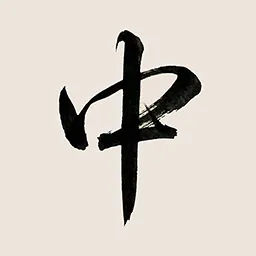
了 (le)
Particle indicating a completed action or change of state.
How 了 is written
- Strokes
- 2
- Radical
- ㇇ — N/A
- Traditional
- 了
- Simplified
- 了 (unchanged)
Components
- ㇇ N/A
- 亅 hook
了 has 2 readings
The pronunciation changes with the meaning, so the reading has to be learned per word.
- le
- (modal particle intensifying preceding clause); (completed action marker)
- liǎo
- to finish; to achieve; to understand
Common words using 了
- 為了 wèile
- in order to; for the purpose of; so as to
- 一目了然 yīmùliǎorán
- obvious at a glance (idiom)
- 不了了之 bùliǎoliǎozhī
- settle a matter by leaving it unsettled; end up with nothing definite
- 不在了 bùzàile
- to be dead; to have passed away
- 不得了 bùdéliǎo
- desperately serious; disastrous; extremely
- 不行了 bùxíngle
- on the point of death; dying
- 了不起 liǎobuqǐ
- amazing; terrific; extraordinary
- 了了 liǎoliǎo
- to realize clearly; to settle a matter; to get it over with
- 了事 liǎoshì
- to dispose of a matter; to be done with it
- 了卻 liǎoquè
- to resolve; to settle
- 了如指掌 liǎorúzhǐzhǎng
- to understand sth thoroughly (like the back of one's hand)
- 了局 liǎojú
- end; conclusion; solution
了 in a sentence
我吃飽了。
Wǒ chī bǎo le.
“I'm full.”
How common is 了?
了 is the 5th most frequent character in written Chinese. Characters up to this rank account for about 9.3% of all running text.
Characters that appear with 了
Master 了 and 5,000 others.
Flashcards and Writing Practice. Every single character in A Course in Contemporary Chinese 當代中文課程.
了
Start Learning
Flashcard Add to your deck