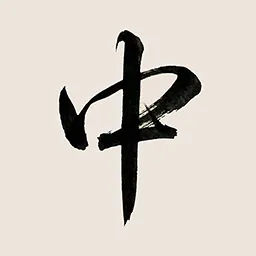
古 (gǔ)
ancient/old
How 古 is written
- Strokes
- 5
- Radical
- 十 — ten
- Traditional
- 古
- Simplified
- 古 (unchanged)
Common words using 古
- 古代 gǔdài
- ancient times; olden times
- 復古 fùgǔ
- to return to old ways (a Confucian aspiration); to turn back the clock; neoclassical school during Tang and Song associated with classical writing 古文
- 上古 shànggǔ
- the distant past; ancient times; antiquity
- 亙古 gèngǔ
- throughout time; from ancient times (up to the present)
- 仿古 fǎnggǔ
- pseudo-classical; modeled on antique; in the old style
- 內蒙古 nèiměnggǔ
- Inner Mongolia; abbr. for Inner Mongolia autonomous region 內蒙古自治區|内蒙古自治区
- 千古 qiāngǔ
- for all eternity; throughout all ages
- 古人 gǔrén
- people from ancient times; the ancients; the late (i.e. person who has passed away)
- 古今 gǔjīn
- then and now; ancient and modern
- 古來 gǔlái
- since ancient times; it has ever been the case that; see also 自古以來|自古以来[zi4 gu3 yi3 lai2]
- 古典 gǔdiǎn
- classical
- 古城 gǔchéng
- ancient city
古 in a sentence
這座古廟已經有三百年的歷史了。
Zhè zuò gǔmiào yǐjīng yǒu sānbǎi nián de lìshǐ le.
“This ancient temple already has a history of three hundred years.”
How common is 古?
古 is the 509th most frequent character in written Chinese. Characters up to this rank account for about 76.2% of all running text.
Characters that appear with 古
Master 古 and 5,000 others.
Flashcards and Writing Practice. Every single character in A Course in Contemporary Chinese 當代中文課程.
古
Start Learning
Flashcard Add to your deck