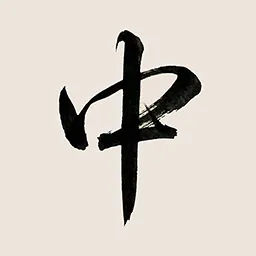
止 (zhǐ)
to stop; to prohibit; only
How 止 is written
- Strokes
- 4
- Traditional
- 止
- Simplified
- 止 (unchanged)
Common words using 止
- 停止 tíngzhǐ
- to stop; to halt; to cease
- 為止 wéizhǐ
- until
- 禁止 jìnzhǐ
- to prohibit; to forbid; to ban
- 防止 fángzhǐ
- to prevent; to guard against; to take precautions
- 阻止 zǔzhǐ
- to prevent; to block
- 不止 bùzhǐ
- incessantly; without end; more than
- 制止 zhìzhǐ
- to curb; to put a stop to; to stop
- 截止 jiézhǐ
- to close; to stop; to put a stop to sth
- 止咳 zhǐké
- to suppress coughing
- 止境 zhǐjìng
- limit; boundary; end
- 止步 zhǐbù
- to halt; to stop; to go no farther
- 止痛 zhǐtòng
- to relieve pain; to stop pain; analgesic
止 in a sentence
吃了藥以後,頭痛就停止了。
Chīle yào yǐhòu, tóutòng jiù tíngzhǐ le.
“After taking the medicine, the headache stopped.”
How common is 止?
止 is the 596th most frequent character in written Chinese. Characters up to this rank account for about 79.5% of all running text.
Characters that appear with 止
Master 止 and 5,000 others.
Flashcards and Writing Practice. Every single character in A Course in Contemporary Chinese 當代中文課程.
止
Start Learning
Flashcard Add to your deck