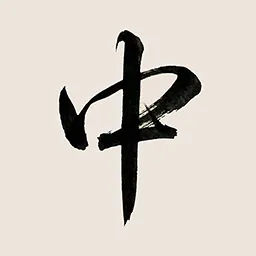
君 (jūn)
gentleman/monarch
How 君 is written
- Strokes
- 7
- Radical
- ⺕ — pig snout
- Traditional
- 君
- Simplified
- 君 (unchanged)
Components
- ⺕ pig snout
- 丨 line
- 口 mouth
Common words using 君
- 君子 jūnzǐ
- nobleman; person of noble character
- 君主 jūnzhǔ
- monarch; sovereign
- 君王 jūnwáng
- sovereign king
- 暴君 bàojūn
- tyrant; despot
- 諸君 zhūjūn
- Gentlemen! (start of a speech); Ladies and Gentlemen!
- 郎君 lángjūn
- my husband and master (archaic); playboy of rich family; pimp
- 偽君子 wěijūnzǐ
- hypocrite
- 儲君 chǔjūn
- heir apparent to a throne
- 先君 xiānjūn
- my late father; my ancestors; the late emperor
- 君主制 jūnzhǔzhì
- monarchy
- 君主立憲制 jūnzhǔlìxiànzhì
- constitutional monarchy
- 君士坦丁堡 jūnshìtǎndīngbǎo
- Constantinople, capital of Byzantium
君 in a sentence
君子動口不動手。
Jūnzǐ dòngkǒu bú dòngshǒu.
“A gentleman uses his words, not his fists.”
How common is 君?
君 is the 983rd most frequent character in written Chinese. Characters up to this rank account for about 88.9% of all running text.
Characters that appear with 君
Master 君 and 5,000 others.
Flashcards and Writing Practice. Every single character in A Course in Contemporary Chinese 當代中文課程.
君
Start Learning
Flashcard Add to your deck