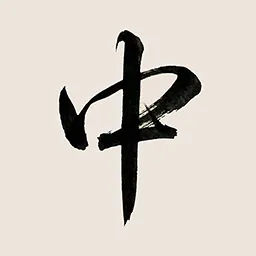
未 (wèi)
Not yet; future.
How 未 is written
- Strokes
- 5
- Radical
- 木 — tree
- Traditional
- 未
- Simplified
- 未 (unchanged)
Common words using 未
- 未來 wèilái
- future; tomorrow; CL:個|个[ge4]
- 前所未有 qiánsuǒwèiyǒu
- unprecedented
- 從未 cóngwèi
- never
- 意猶未盡 yìyóuwèijìn
- to wish to continue sth; to have not fully expressed oneself
- 未婚 wèihūn
- unmarried
- 未必 wèibì
- not necessarily; maybe not
- 未知 wèizhī
- unknown
- 丁未 dīngwèi
- forty fourth year D8 of the 60 year cycle, e.g. 1967 or 2027
- 乳臭未乾 rǔxiùwèigān
- smell of mother's milk not yet dried (idiom); immature and inexperienced; still wet behind the ears
- 前所未見 qiánsuǒwèijiàn
- unprecedented; never seen before
- 始料未及 shǐliàowèijí
- not expected at the outset (idiom); unforeseen; to be surprised by the turn of events
- 懸而未決 xuánérwèijué
- pending a decision; hanging in the balance
未 in a sentence
我們要為未來做好準備。
Wǒmen yào wèi wèilái zuò hǎo zhǔnbèi.
“We need to prepare for the future.”
How common is 未?
未 is the 385th most frequent character in written Chinese. Characters up to this rank account for about 70.2% of all running text.
Characters that appear with 未
Master 未 and 5,000 others.
Flashcards and Writing Practice. Every single character in A Course in Contemporary Chinese 當代中文課程.
未
Start Learning
Flashcard Add to your deck