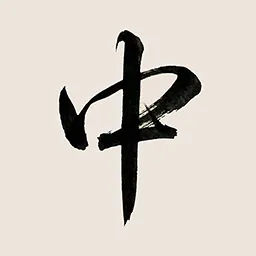
臭 (chòu)
smelly; stinky; foul
How 臭 is written
- Strokes
- 10
- Radical
- 自 — self
- Traditional
- 臭
- Simplified
- 臭 (unchanged)
Components
- 自 self
- 犬 dog
臭 has 2 readings
The pronunciation changes with the meaning, so the reading has to be learned per word.
- chòu
- stench; stink; smelly; to smell (bad)
- xiù
- sense of smell; smell bad
Common words using 臭
- 口臭 kǒuchòu
- bad breath; halitosis
- 臭味 chòuwèi
- stink; fumes
- 臭味相投 chòuwèixiāngtóu
- to share vile habits; partners in notoriety; birds of a feather
- 臭屁 chòupì
- smelly fart; arrogant
- 臭美 chòuměi
- to show off one's good looks shamelessly
- 臭豆腐 chòudòufu
- stinky tofu; strong-smelling preserved beancurd; fig. rough exterior but lovable person
- 乳臭未乾 rǔxiùwèigān
- smell of mother's milk not yet dried (idiom); immature and inexperienced; still wet behind the ears
- 惡臭 èchòu
- stink
- 汗臭 hànchòu
- body odor
- 狐臭 húchòu
- body odor; bromhidrosis
- 腋臭 yèchòu
- body odor; bromhidrosis; armpit odor
- 腐臭 fǔchòu
- rotten (smell); stinking; putrid
臭 in a sentence
你吃過臭豆腐嗎?
Nǐ chīguò chòu dòufu ma?
“Have you tried stinky tofu?”
How common is 臭?
臭 is the 2,101st most frequent character in written Chinese. Characters up to this rank account for about 97.5% of all running text.
Characters that appear with 臭
Master 臭 and 5,000 others.
Flashcards and Writing Practice. Every single character in A Course in Contemporary Chinese 當代中文課程.
臭
Start Learning
Flashcard Add to your deck